
Multi-Unit Construction
What Keeps an SB9 Multi-Unit Project on Schedule
February 22, 2026 · 5 min read
California SB9 has created a real opportunity to add two to four homes where one stood before. It is also a more complex undertaking than many homeowners expect, and the projects that stay on schedule tend to share a few important qualities.
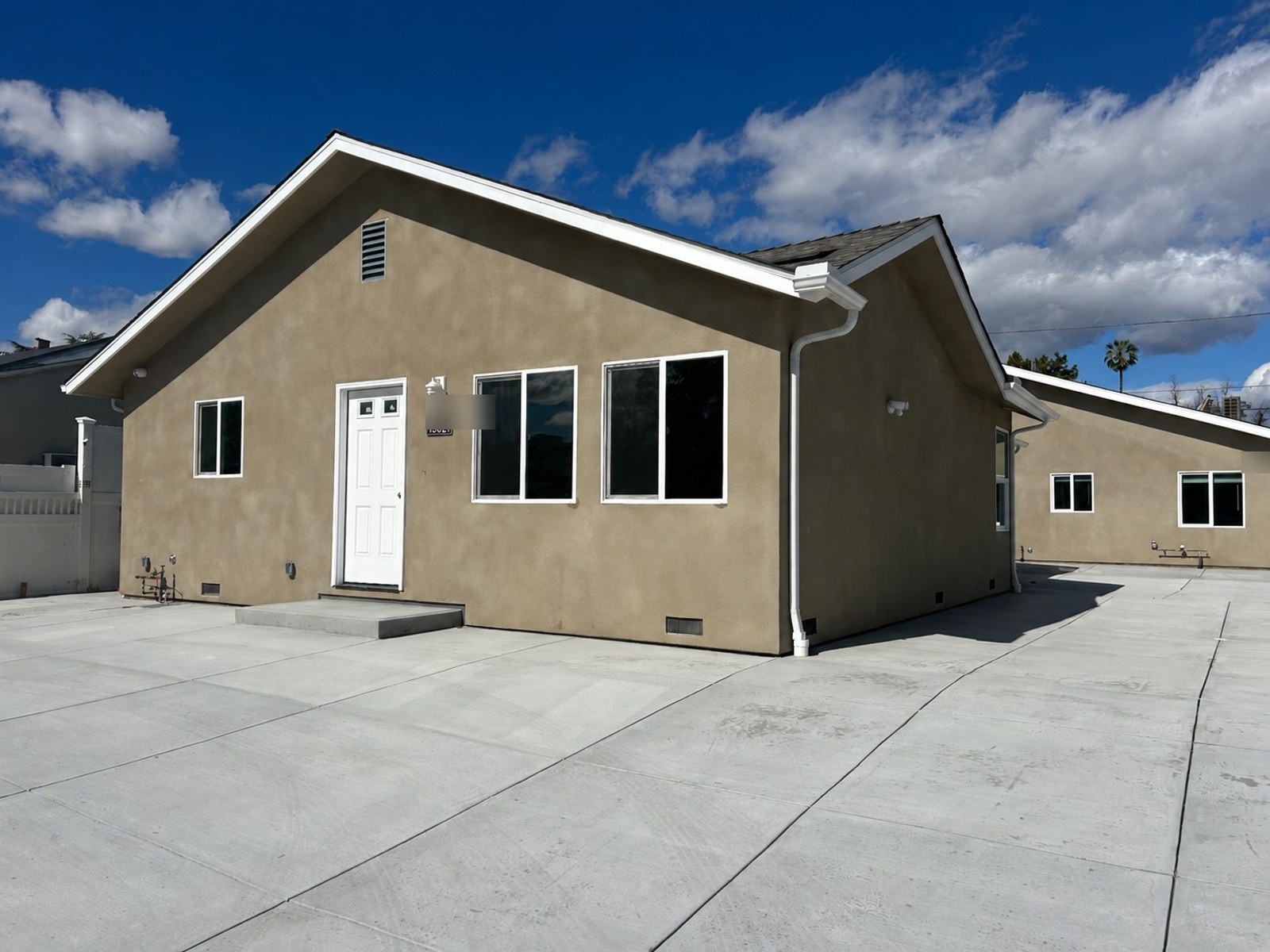
What we learned from a completed SB9 project
We recently completed an SB9 multi-unit project for a returning client. We had previously worked together on a major renovation of their primary residence, but because multi-unit construction is not our typical market, they initially spoke with several other builders for this project.
They ultimately came back to Modline because they wanted the same clear, transparent construction process they had experienced before. The project reinforced something that applies to both single-family and multi-unit construction: a dependable process matters just as much as the finished work.
Here are four practical observations for anyone considering an SB9 project, whether you ultimately work with us or another builder.
1. Get your builder involved before RTI
It is tempting to finalize the plans with your architect and bring in a builder only when permits are Ready to Issue. On a multi-unit project, that sequence can create avoidable delays later.
A builder who reviews the plans before RTI can identify constructability questions, unit-separation requirements, and utility-routing concerns while they are still relatively simple to address, rather than after they have already been permitted.
Sewer lateral capacity, utility separation, electrical load calculations, and coordination between LADWP and Los Angeles Building and Safety can all require particular solutions when several homes share one lot. Addressing those questions during plan review can save considerable time once construction begins.
The best time to resolve a construction question is while it is still a line on a drawing, not after it becomes work in the field.
2. Make key decisions ahead of time
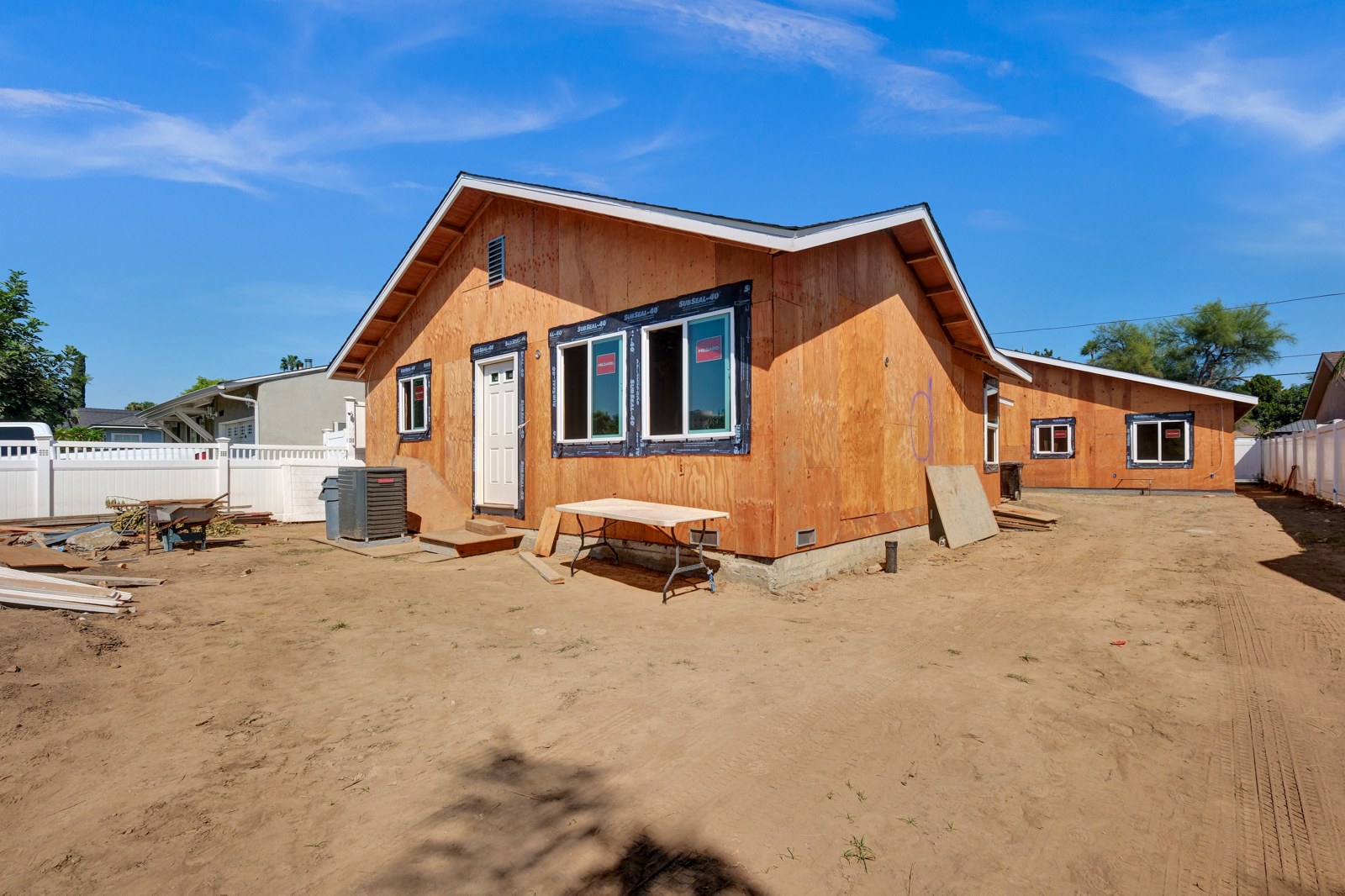
A single-family remodel may tolerate a few decisions being made during construction. A multi-unit project multiplies almost everything: kitchens, mechanical systems, finish selections, utility connections, and often the number of layouts involved.
Projects that stay on schedule are usually the ones where finishes, layouts, and major system choices are settled before construction starts, rather than decided room by room as crews arrive.
Early decisions give the builder time to coordinate trades and materials across every unit. They also reduce the chance that one unresolved selection holds up several areas of work at once.
3. Every problem needs a solution option, not just a pause
Multi-unit projects can reveal more surprises than single-home builds simply because there is more happening: more trades, more inspections, and more coordination between separate units.
An unexpected soil condition, a field revision from the engineer, or a utility conflict that was not visible on paper is not unusual. What matters is what happens next.
The projects that keep moving are the ones where the builder brings a practical next step to the problem instead of simply stopping the work while everyone waits. That is a large part of what you are hiring for: someone who can maintain progress when construction does not unfold exactly as drawn.
4. Why this matters more on a multi-unit project
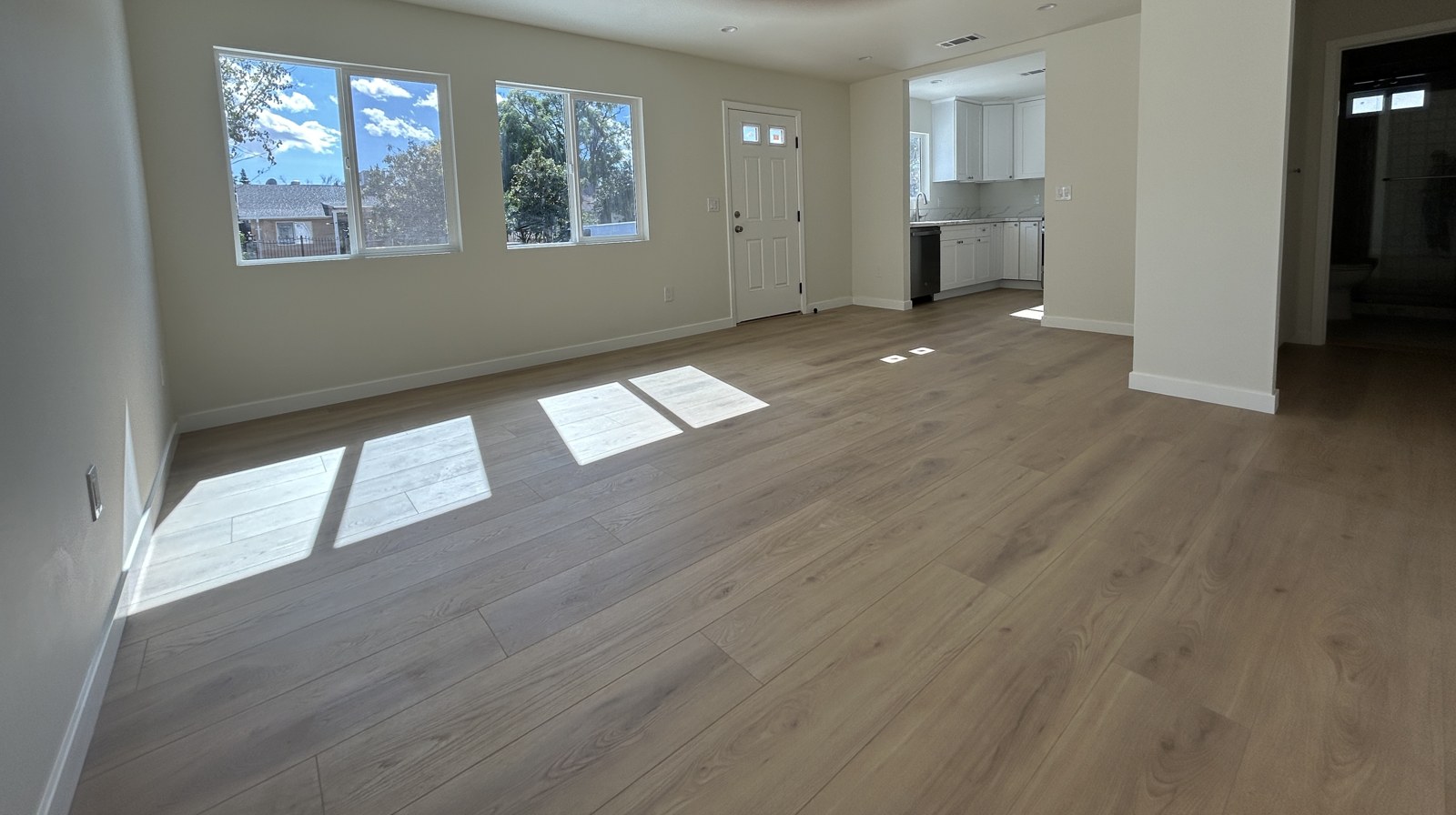
These same issues can arise during a single-family renovation, but a multi-unit development multiplies the complexity at every stage. Four units can mean four separate systems to coordinate, four sets of finishes to track, and many more opportunities for a small miscommunication to become a meaningful delay.
That is why the builder matters as much as the architect and the plans. The right partner is often the difference between a project that remains close to its intended schedule and one that continually loses momentum.
A strong process is not separate from the finished result. It is what makes that result possible.
Why we are sharing this
Modline Builders focuses on high-end custom homes and major single-family renovations. This SB9 multi-unit build was different from our usual work, but it reinforced what we already believe about preparation, communication, and keeping a project moving.
We wanted to share those lessons for anyone considering a similar project, regardless of who ultimately builds it. If you are planning an SB9 project and want to understand what to expect, start a project with us and we will talk through your plans, goals, and timeline.