
Fire Restoration
Home Survived the Palisades Fire? Check Before You Rebuild
November 2026 · 5 min read
For many Pacific Palisades homeowners, seeing their home still standing after the January 2025 fire brought enormous relief. But a home doesn’t have to burn down to be affected by a wildfire. The question most owners ask next is ‘What will it cost to rebuild?’ One of our recent projects showed why there’s an earlier question worth asking first: are we actually ready to rebuild? Here’s what we found.
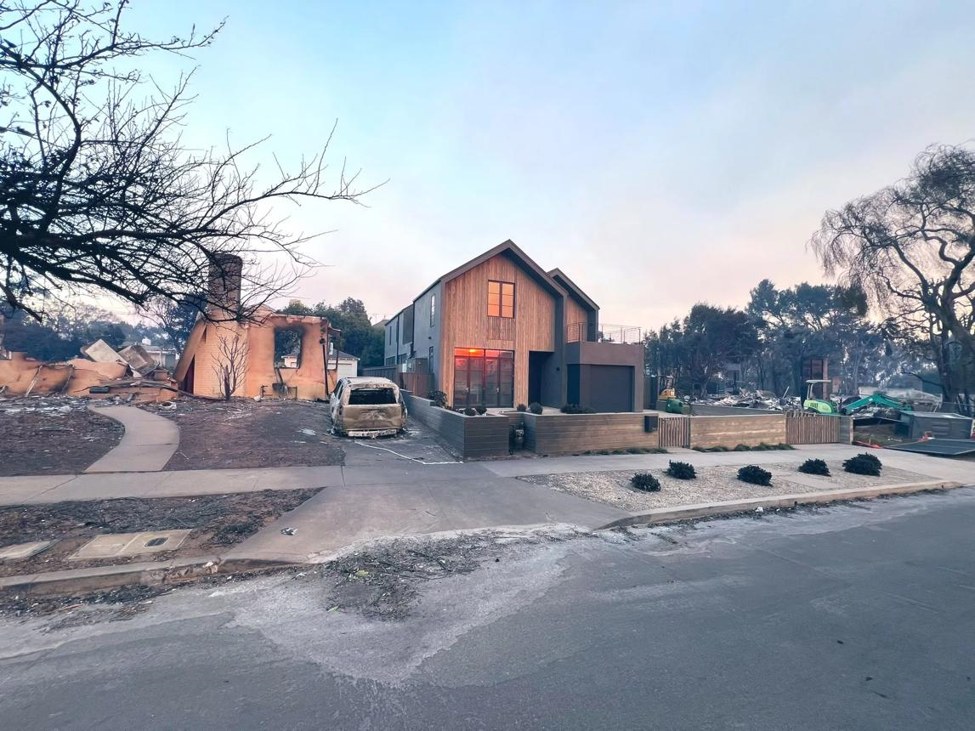
1. We Were Called to Rebuild. We Asked for a Second Look.
When we got involved, environmental testing and remediation were already underway. Our job was simple: provide a reconstruction proposal for the work that would start once remediation was done. But we can’t put together an accurate proposal without understanding what’s being removed, what’s staying, and what we’ll eventually be building over.
As we reviewed the home and the existing remediation scope, a few areas stood out: concealed wall cavities, insulation and other porous materials, and the space beneath the clay tile roof. Homeowners rarely see these areas, and they’re the hardest to reach once reconstruction starts. So instead of handing over a quote and moving on, we recommended an independent environmental second opinion.
2. What the Second Opinion Found
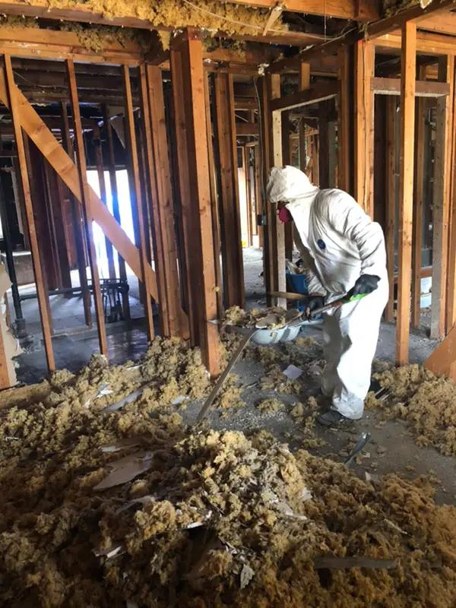
The additional investigation found contamination in areas the original scope hadn’t fully addressed. Testing confirmed contaminants inside representative concealed wall cavities and beneath portions of the clay tile roofing system. It also identified existing asbestos-containing building materials that had to be accounted for before certain areas could be accessed.
The details mattered, but the bigger lesson was simple: the contamination wasn’t limited to what could be seen. Once new insulation, drywall and roofing went in, many of those areas would have been sealed up again.
3. ‘What Will It Cost?’ Isn’t the Same as ‘Are We Ready?’
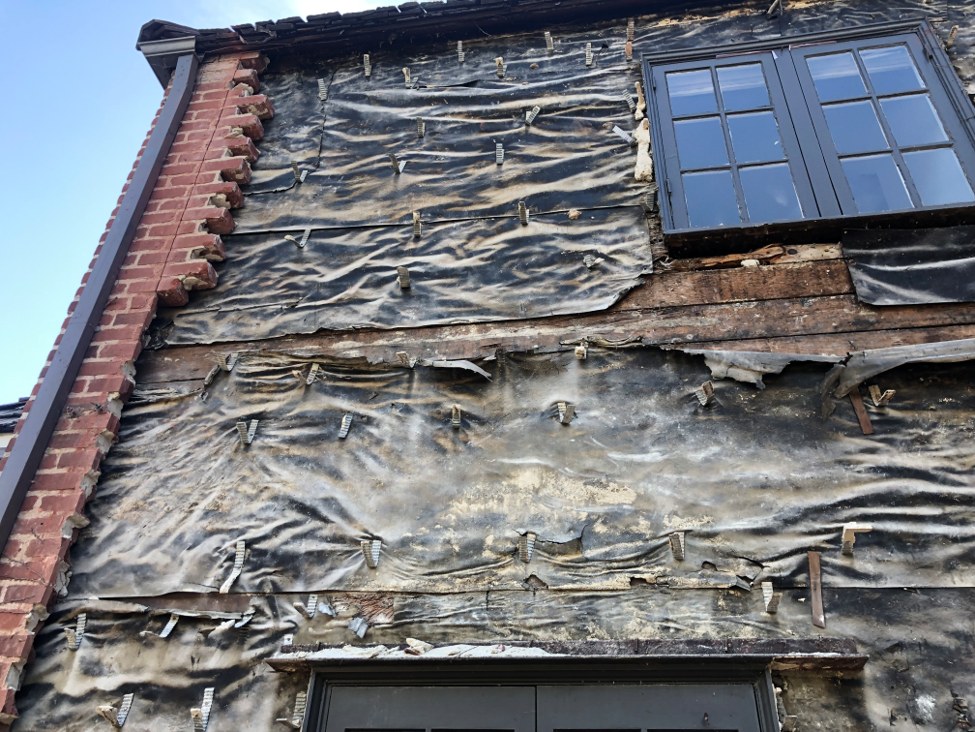
That’s the shift this project made, and it’s an important one. Each professional on a fire-recovery project has a different focus. The environmental consultant tests and evaluates conditions. The remediation company carries out the cleanup. The reconstruction builder has to think about what comes next: what will remain behind the new drywall, what’s under the roof, what happens when walls get opened during construction.
A second opinion isn’t about making the remediation scope bigger or creating more work. It’s about making sure the right questions get asked while they’re still easy to answer.
4. The Questions Worth Asking Before You Rebuild
Every property, exposure and environmental condition is different, and this case doesn’t mean every Palisades home has contamination behind its walls or under its roof. But if your home survived and you already have an approved remediation scope, it’s reasonable to ask a few more questions before construction starts.
Were concealed areas, like wall cavities, considered? Was insulation evaluated where appropriate? Was the full roof assembly looked at, not just the surface? Are there materials that will become inaccessible once reconstruction begins?
What are we about to cover back up?
5. Getting the Scope Right Comes Before the Shovel
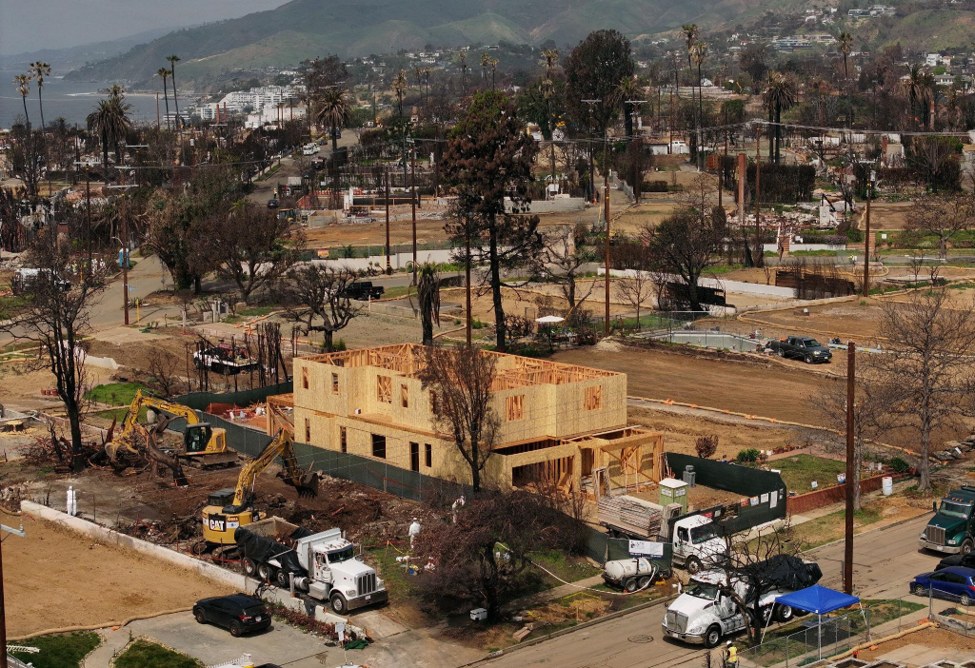
This is exactly what we cover in our Sensible Proposals guide: knowing whether a project is truly ready, and what you’re building on, before construction begins. It’s also why we put so much time into developing a detailed written proposal. A number is only accurate if the scope behind it is.
Fire restoration is no different. We look at it from the perspective of the home you’re eventually going to live in, and we stay involved alongside your environmental and remediation team so questions get answered before walls close up, not after.
The Bottom Line
A home that survived the fire is a real piece of good news, but standing isn’t the same as ready to rebuild. The time to ask questions about concealed areas, insulation and the roof is now, while those areas are still open and easy to evaluate. The goal of a second look isn’t to make the scope bigger. It’s to make sure the scope is right before you rebuild.
If you’re moving from remediation into reconstruction and want a builder’s perspective before work begins, we’re happy to talk it through, no obligation.
Case Study Notice
This article is based on an actual Pacific Palisades fire-remediation and reconstruction project involving Modline Builders. Identifying information has been omitted to protect the homeowners’ privacy. The conditions and findings described are specific to this property and do not mean other homes have the same environmental conditions or require the same remediation. This case study is provided for educational and informational purposes only. Environmental testing, remediation and clearance should be determined and performed by appropriately qualified and licensed professionals based on each individual property.