
Construction Planning
5 Things Worth Checking Before You Sign Your Construction Proposal
July 9, 2026 · 7 min read
Signing a contract to build or remodel your home is one of the biggest financial decisions most people ever make — often bigger than buying the home itself. And yet, most homeowners sign their construction proposal after reading it once, trusting that the contractor they chose has it handled. Most of the time, that trust is well placed. But a proposal is also a legal and financial document, and a few overlooked details early on are often what turn into budget overruns, timeline disputes, or frustration six months into a project. Before you sign anything, here are five things worth taking a second look at — regardless of who you're building with.
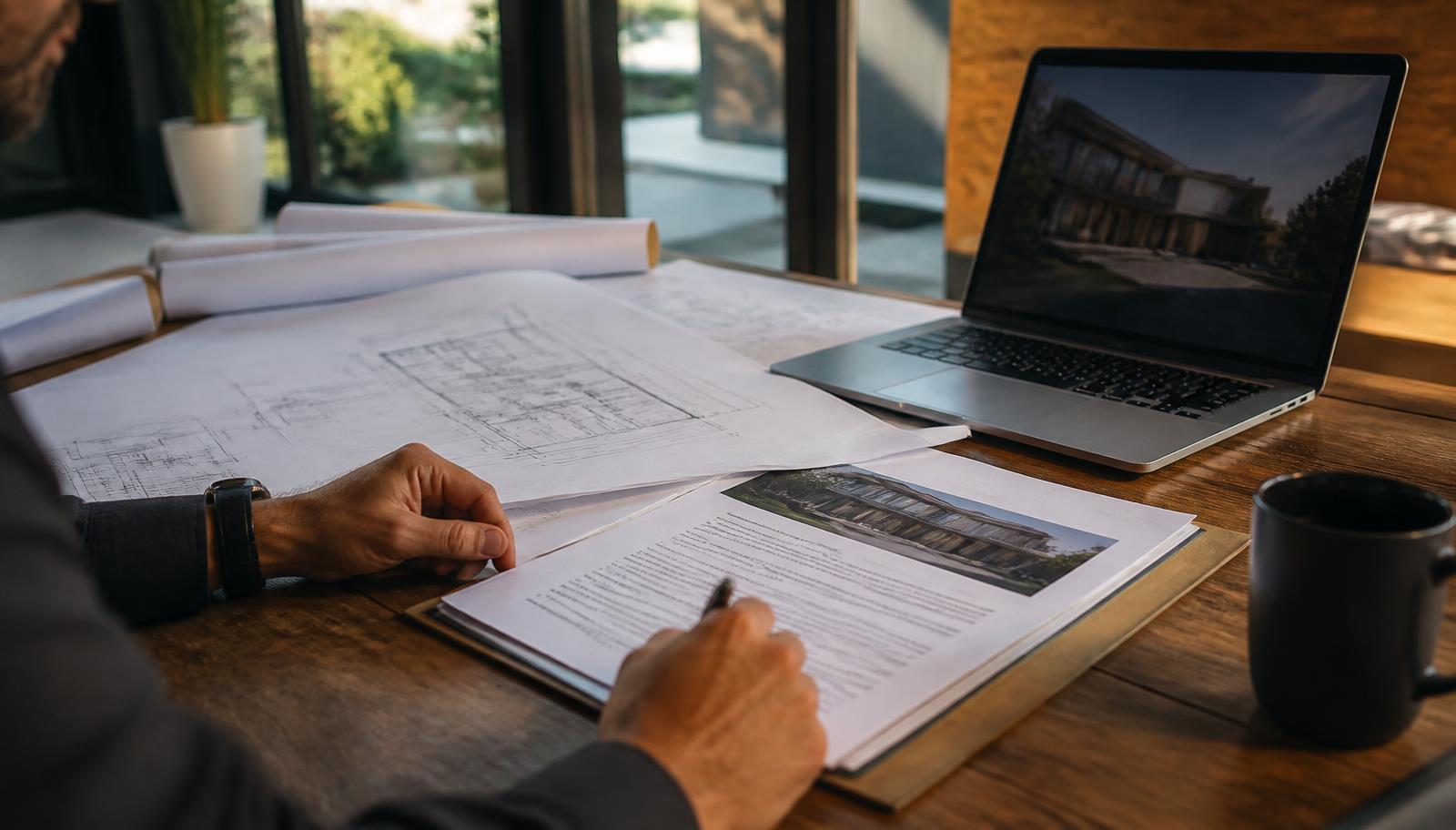
How a Real Cost Proposal Actually Gets Built
Not all proposals take the same amount of work to produce, and that's exactly why they don't all carry the same value. A quick, rough estimate and a true cost proposal can look similar on paper — a document with numbers on it — but the process behind each one is very different, and that difference is usually what determines whether a project stays on budget.
A proposal that's actually worth relying on typically involves diving deep into the plans and specifications — not just skimming them, but working through every detail closely enough to know what's actually being built, room by room.
It means submitting RFIs (Requests for Information) to the architect or designer to close gaps. Plans almost always leave some specifics undefined, and a serious proposal chases those answers down rather than guessing.
It includes meeting directly with trade partners — electricians, plumbers, framers, and others — to get real, current pricing for your specific project, rather than relying on rough historical averages.
It goes through multiple rounds of revision as details get confirmed. A true cost proposal is rarely right on the first pass, and that's a sign of thoroughness, not disorganization.
And it accounts for site-specific conditions — soil, access, existing structure, permitting complexity — that generic estimates often don't factor in at all.
This is also why a detailed proposal takes real time to produce — often several weeks, not a couple of days. A fast, low-effort estimate can be a reasonable starting point for a rough budget conversation, but it's a very different thing from a document you should be signing a contract against. The amount of work that went into a proposal is often the clearest early signal of how the rest of the project will be managed.
1. Is the Scope of Work Actually Specific?
A proposal that says 'renovate kitchen' or 'remodel master bath' isn't a scope of work — it's a headline. A detailed proposal should spell out materials, finishes, brands, quantities, and exactly what's included versus what isn't. Vague scope is one of the most common sources of 'that wasn't included' conversations later in a project, and it's almost always avoidable if it's caught before signing.
2. How Are Allowances Handled?
Many proposals include 'allowances' — placeholder budgets for items like tile, fixtures, or appliances that haven't been picked out yet. Allowances aren't a red flag by themselves, but vague or unrealistically low ones often are. Ask what happens if your selections cost more than the allowance, and get that answer in writing, not just verbally.
3. What Does the Payment Schedule Actually Look Like?
A payment schedule that front-loads a large percentage of the total cost before much work has happened shifts risk onto you as the homeowner. A well-structured schedule ties payments to completed, verifiable milestones — not just to the calendar. This is one of the simplest things to check, and one of the most important.
4. Is There a Defined Change Order Process?
Almost every project has changes along the way — that's normal. What matters is whether the proposal defines how changes are priced, approved, and documented before they happen. Without this in writing, 'small changes' can quietly become a very different final bill than what you originally agreed to.
5. Does the Timeline Have Any Real Structure?
A start date is easy to promise. A completion date is harder to keep without a real plan behind it. Ask whether the proposal reflects an actual sequenced schedule, or just a start date and a hopeful estimate. Projects with a clear, phased timeline tend to stay far more predictable than those without one.
None of This Means Something Is Wrong
To be clear: none of these questions assume your contractor is doing anything wrong. Most of these details get missed simply because proposals are often written quickly, and homeowners are excited to get started. A few of these gaps are common even with reputable, experienced builders — they're just easy to overlook when you're reading a proposal for the first time, especially while juggling everything else that comes with planning a project.
That said, once you sign, these details become much harder to revisit. It's a lot easier to ask a question today than to have a disagreement about it three months into construction.